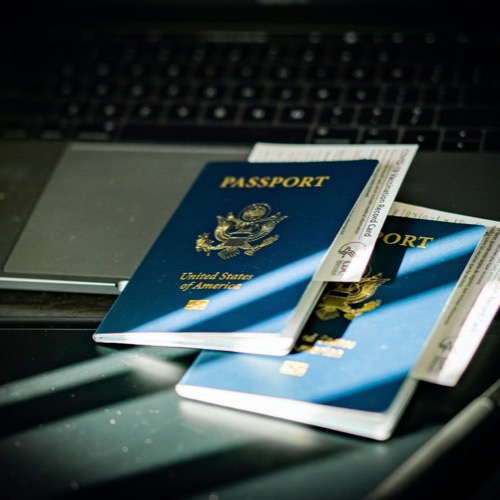

U-Visa Domestic Violence
Surviving Domestic Violence
Domestic violence is a devastating crime that affects millions of individuals worldwide. Survivors of domestic violence who are undocumented immigrants face unique challenges in seeking help and protection. The U-Visa is a valuable immigration benefit that can offer a lifeline to those who have experienced domestic violence. In this article, we will explore how the U-Visa can help survivors of domestic violence and provide a path towards safety and legal status.
1. Understanding U-Visa Eligibility for Domestic Violence Survivors
The U-Visa is available to immigrants who are victims of certain qualifying crimes, and domestic violence is one of them. Survivors can apply if they suffered substantial physical or mental abuse as a result of the crime and have been, are being, or are likely to be helpful to law enforcement in the investigation or prosecution of the abuser. A signed law enforcement certification (Form I-918, Supplement B) is required. Prosecution does not have to result in a conviction.
2. Benefits of the U-Visa for Domestic Violence Survivors
The U-Visa provides survivors of domestic violence with crucial benefits. Firstly, it offers legal non-immigrant status, allowing survivors to remain in the United States for up to four years, with extensions in limited cases. Approved principal applicants receive work authorization. Because approval can take years, USCIS may also grant work authorization and deferred action while a petition is still pending, if it finds the petition bona fide or places it on the waiting list. Deferred action is not lawful status, and it can be ended. After three years in U status, survivors may be able to apply for a green card (permanent residency).
3. Confidentiality and Protection
Federal law strictly limits how the government can use and share information about a U-Visa petition, and DHS may not deny a petition based only on information from the abuser. Filing a petition does not, however, guarantee protection from immigration enforcement. Since 2025, ICE has no longer treated a pending victim-based petition as a reason to avoid enforcement action, and court cases challenging that policy are ongoing. Speak with an attorney about your situation before you file.
4. Accessing Support Services
Survivors may be able to use counseling, medical care, shelter and crime victim compensation programs, and some of these do not depend on immigration status. Eligibility depends on the program and the state, and U status generally does not qualify a person for most federal public benefits. A local victim advocate or attorney can help you find what is available. These services can aid survivors in their healing process and help them rebuild their lives after trauma.
5. Breaking the Cycle of Abuse
The U-Visa not only provides survivors with legal status but also empowers them to break free from the cycle of abuse. By obtaining legal protection, survivors gain the freedom to make choices about their lives and pursue a future free from violence and fear.
The U-Visa offers a lifeline to undocumented immigrants who are survivors of domestic violence. By providing legal status, protection, and access to support services, the U-Visa can help survivors break free from abuse, rebuild their lives, and create a brighter future. Understanding the eligibility criteria and benefits of the U-Visa can empower survivors to seek the help and protection they need to heal and move forward with strength and resilience.
Call our office today at (818) 900-5707 to speak with an experienced immigration attorney. We can review your situation, explain your options, and help you build a strong case.
ATTORNEY ADVERTISING. The information on this Site is for general informational purposes only, does not constitute legal advice, and does not create an attorney–client relationship. Prior results do not guarantee a similar outcome.