
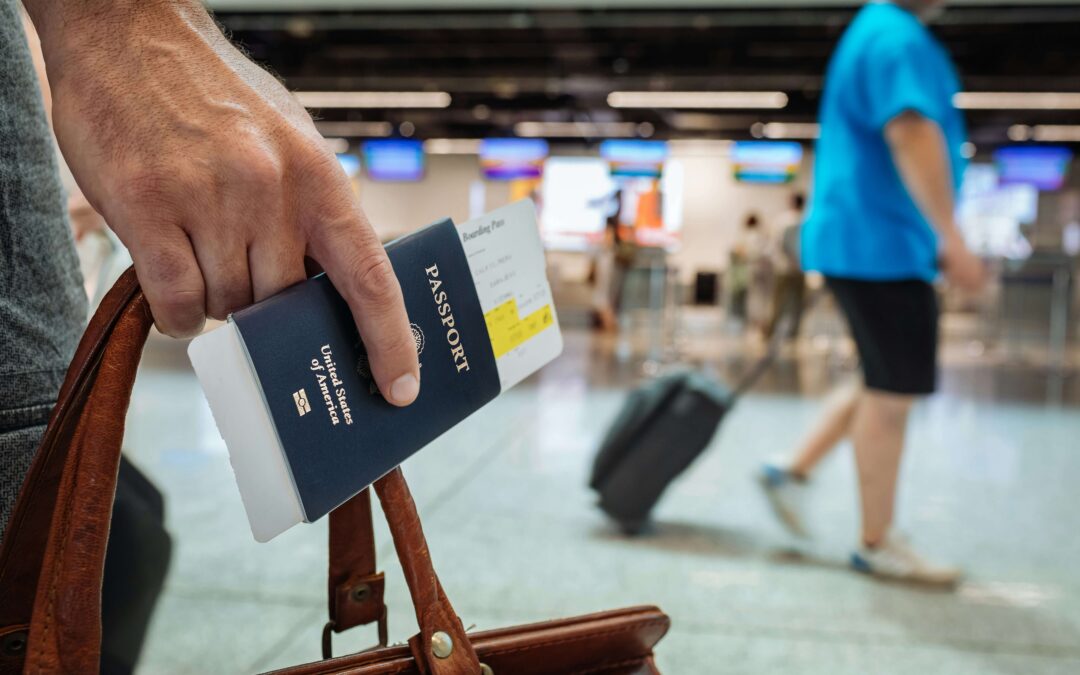
What You Should Know About the Expanded U.S. Travel Ban in 2025
In 2025, the U.S. government expanded its travel ban to include many more countries. The policy now restricts or suspends entry for citizens of those nations. This change affects immigrants and people seeking temporary visas for work, study, or travel. Understanding how this policy works and who it affects helps you and your loved ones make informed decisions about international travel and immigration options.
What Is the 2025 Travel Ban?
Earlier in 2025, the administration issued a travel ban under Section 212(f) of the Immigration and Nationality Act. This law gives the president authority to bar entry of non-U.S. citizens when it serves the national interest. The travel ban initially covered 19 countries. The administration later expanded it to include additional nations and tighten restrictions on exemptions.
Under the expanded policy:
- The U.S. now completely bars nationals of many countries from entering and prevents them from obtaining immigrant or nonimmigrant visas.
- Some countries face partial restrictions, so officials limit or pause visas for certain categories (like tourist, student, or work visas).
- The newest expansion significantly reduced exemptions that once applied to immediate relatives of U.S. citizens and people traveling for major events.
Who Is Affected by These Restrictions?
The expanded travel ban now targets many countries, including several in Africa, the Middle East, and the Caribbean. Citizens of these countries may be unable to obtain new immigrant or nonimmigrant visas. The government has also paused many applications entirely.
If you plan to visit family, attend school, pursue employment, or travel to the U.S. for other reasons, these visa restrictions could significantly affect you. This is especially true if you are a national of a covered country.
Are People Already in the United States Affected?
Travel bans generally apply to people outside the United States who seek entry. If someone already has valid status in the U.S., the travel ban does not immediately require them to leave. However, recent policy changes have affected how agencies process certain immigration benefits. These changes include pauses on visa petitions, green card applications, and other status requests for nationals of restricted countries.
As a result, even if you live in the United States legally, these policy changes may affect your ability to travel abroad and return. They may also affect your ability to apply for future immigration benefits.
Why Was the Travel Ban Expanded?
Federal officials say the travel ban expansion protects national security. They cite foreign vetting practices and visa overstay rates as justification. However, civil rights and immigrant advocacy groups have raised concerns about the humanitarian and socioeconomic impacts of these sweeping restrictions. They argue that the policy affects entire populations rather than individuals with specific risk factors.
The expanded ban has significant ramifications for:
- Families seeking reunification
- Students planning international travel and study
- Employers and industries reliant on foreign workers
- Immigrant communities with deep ties in the U.S.
What This Means for You and Your Family
If you or a loved one may be affected by the expanded travel ban:
- Check which countries the policy currently covers, as the list has grown over time and may continue to change.
- Understand that travel bans often exempt existing visas and legal permanent residents, but officials may deny or pause new applications.
- Monitor updates from U.S. consulates and Immigration and Customs Enforcement (ICE) in case the policy changes again.
- Consult with an immigration attorney before making travel plans or submitting new immigration applications.
Travel bans like this are complex and can vary in how they apply depending on individual circumstances.
You Don’t Have to Navigate This Alone
If you or a family member are concerned about how travel bans or other immigration restrictions affect your plans to travel, work, study, or reunite with loved ones, ELR Abogados can help.
Call +1 (818) 900-5707 to speak with an experienced immigration attorney who can:
- Review how the expanded travel ban may affect your specific situation
- Explain your options for visas, waivers, or other immigration paths
- Help you understand current U.S. immigration policies and updates
Getting personalized legal guidance can make a significant difference in understanding what steps are best for you and your family.
